
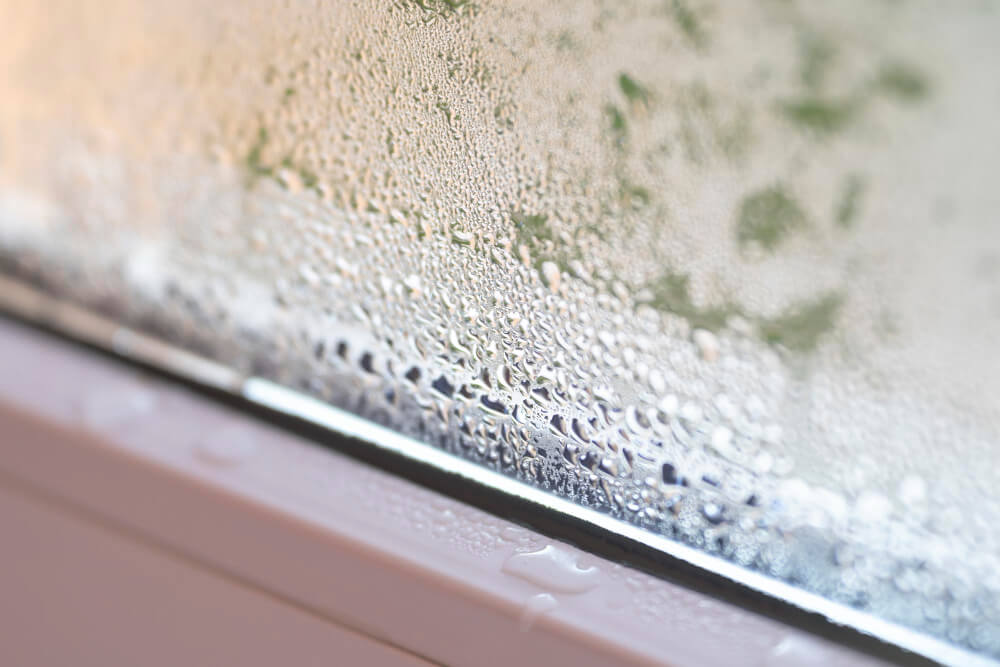
Why Your Windows Are Misting Up: Causes, Costs and Fixes
Here at Walton Glass, we know that waking up to foggy, misted windows can be frustrating, especially when it becomes a persistent problem. While occasional condensation is normal, chronic window misting often signals underlying issues that need attention. Understanding why this happens and how to address it can save you money and improve your home’s comfort.
What Causes Window Misting?
Window condensation occurs when warm, moisture-laden air meets a cold surface. The temperature difference causes water vapour to condense into droplets on the glass. Several factors contribute to this phenomenon:
High Indoor Humidity: Activities like cooking, showering, drying clothes indoors, and even breathing release moisture into the air. Poor ventilation traps this humidity, creating ideal conditions for condensation.
Temperature Differences: Single-pane windows and poorly insulated frames create dramatic temperature variations between indoor and outdoor surfaces, making condensation more likely.
Inadequate Ventilation: Modern homes are increasingly airtight for energy efficiency, but without proper ventilation systems, moisture becomes trapped indoors.
Failed Window Seals: Double or triple-glazed windows rely on sealed units filled with inert gas. When seals fail, moisture enters between panes, causing internal fogging that’s impossible to wipe away.
The True Cost of Persistent Window Misting
Ignoring window condensation can lead to expensive problems. Mould and mildew thrive in damp conditions, potentially causing health issues and requiring costly remediation. Window frames, particularly wooden ones, can rot and deteriorate when constantly exposed to moisture, necessitating expensive repairs or replacements.
Failed sealed units in double-glazed windows lose their insulating properties, increasing heating and cooling costs. The average homeowner spends 15-25% more on energy bills when windows lose their thermal efficiency. Additionally, excessive moisture can damage wallpaper, paint, and surrounding woodwork, leading to costly redecorating projects.
Effective Solutions and Fixes
Immediate Actions: Open windows for 10-15 minutes daily, even in winter, to allow moisture to escape. Use exhaust fans in bathrooms and kitchens, and avoid drying clothes indoors when possible.
Improve Ventilation: Install trickle vents in window frames, or consider a whole-house ventilation system.
Upgrade Your Windows: If you have single-pane windows, upgrading to double or triple-glazed units with low-E coatings can eliminate condensation while improving energy efficiency. While the initial investment can be costly, energy savings often offset costs within 5-10 years.
Address Failed Seals: For double-glazed windows with internal condensation, seal replacement or full unit replacement is necessary.
Use Dehumidifiers: Portable dehumidifiers effectively reduce indoor humidity levels, especially in problem areas. There is a cost to them, but can prevent thousands in potential damage.
Prevention is Key
Regular maintenance prevents most condensation problems. Clean window tracks and drainage holes, inspect seals annually, and maintain indoor humidity between 30-50%. Simple behavioural changes like covering pots while cooking and using bathroom fans can make dramatic differences.
Window misting isn’t just an annoyance—it’s a signal that your home’s moisture balance needs attention. Taking prompt action protects your investment while creating a healthier, more comfortable living environment.
Here at Walton Glass, we’re here to help with all your window related issues. From condensation problems, to blown window panes and more. So contact us, and see how we can help.